Underground Fiber Construction
Underground Fiber Infrastructure for Reliable Network Deployment
Linix Tech provides underground fiber construction for telecommunications, commercial, enterprise, and critical infrastructure environments.
From conduit pathways and fiber placement to route expansion, connectivity, testing, and project closeout, our teams support the field execution required to build dependable below-grade fiber infrastructure.
Underground fiber construction requires careful coordination around routes, existing utilities, conduit pathways, access points, site conditions, and future network growth.
Linix Tech supports underground fiber projects from initial construction through fiber placement, connectivity, testing, and turnover.
Our focus is on creating organized infrastructure that can support reliable network performance and future expansion.

Underground Fiber Construction Capabilities
Conduit Installation
Conduit provides the protected pathway for underground fiber infrastructure.
Linix Tech supports conduit installation for new fiber routes, network expansion, facility connectivity, and infrastructure upgrades.
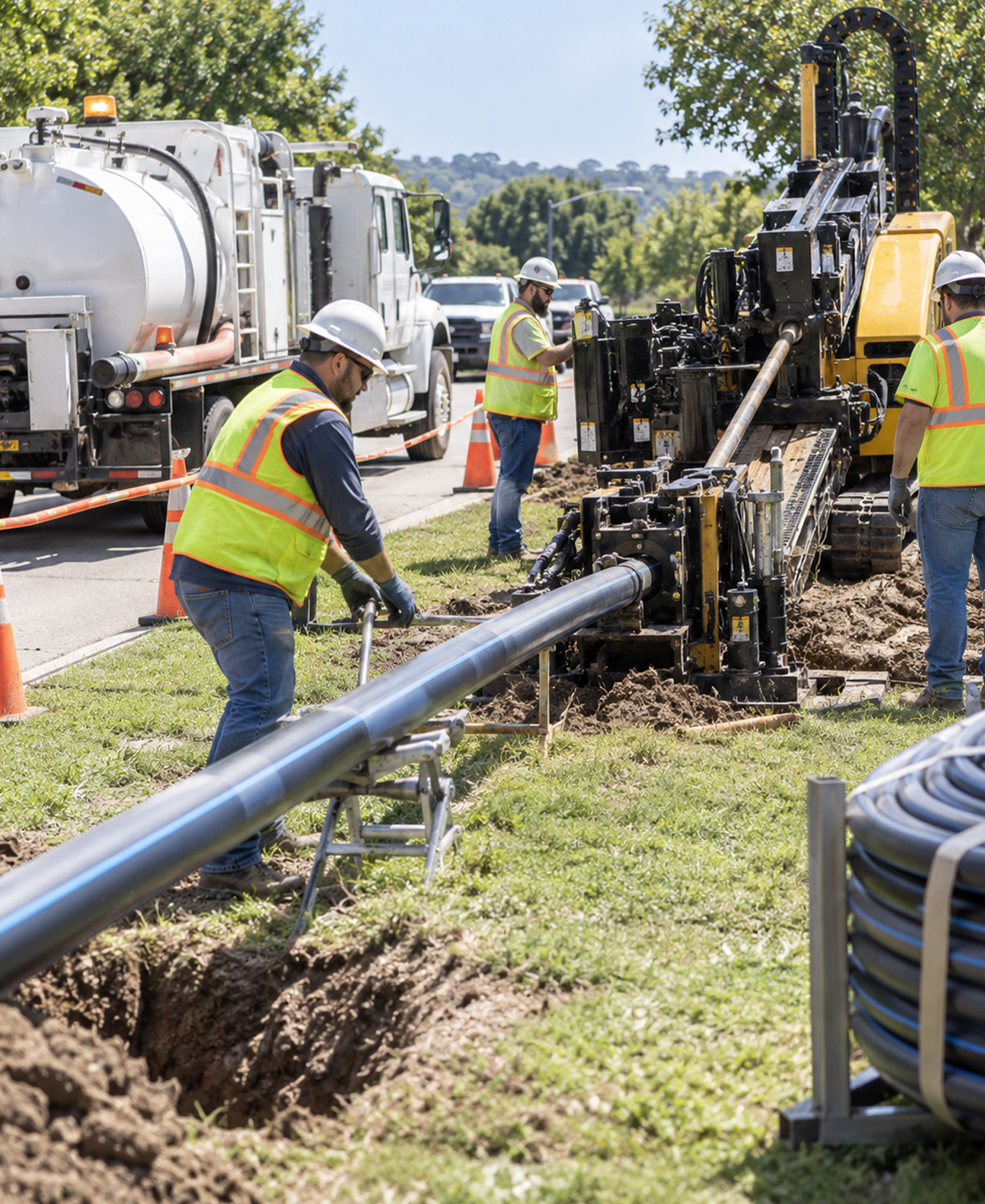
Directional Drilling
Directional drilling can support fiber routes where underground pathways must pass beneath roads, parking areas, landscaped areas, or other surface obstacles.
Linix Tech supports drilling-related construction as part of broader underground fiber deployment.
Fiber Placement
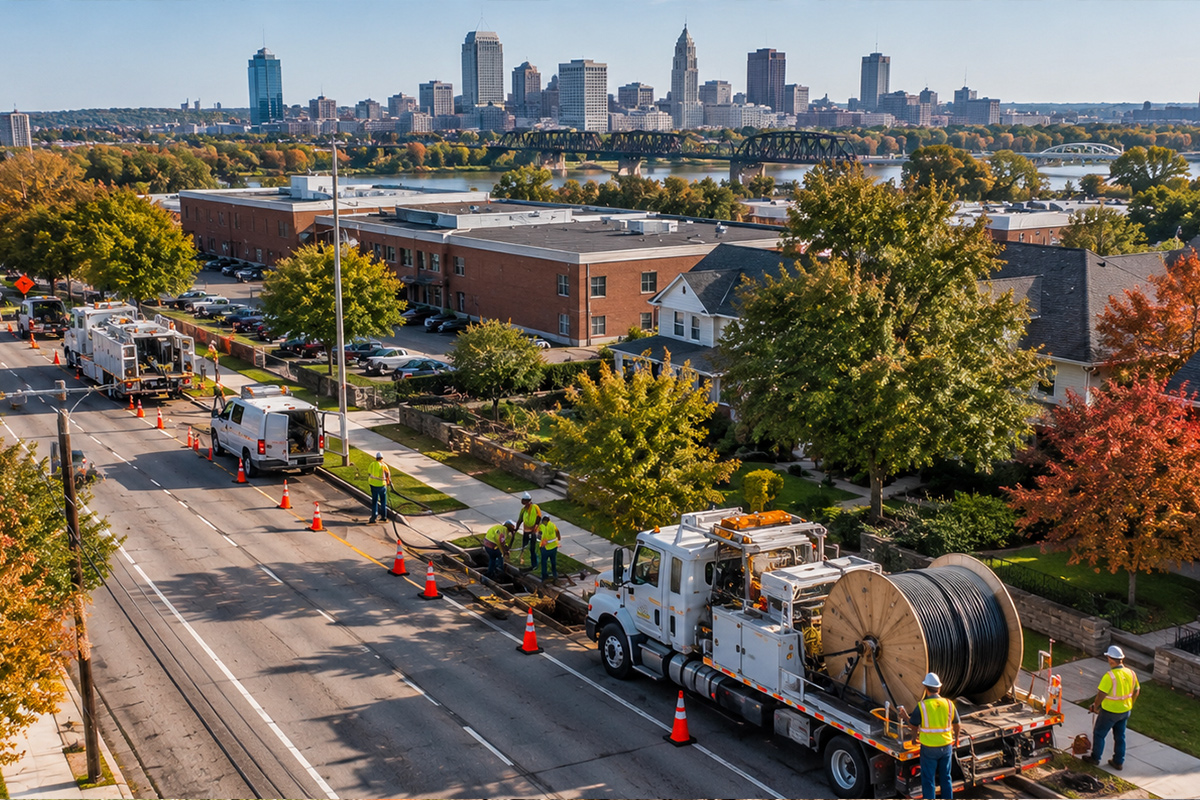
Linix Tech supports fiber placement through underground conduit systems for new network construction, route extensions, and capacity expansion.
Careful handling, routing, and organization help protect the fiber throughout installation.
Route Expansion
Existing underground fiber networks may require new routes, additional capacity, or extensions into new facilities and service areas.
Linix Tech supports underground fiber expansion projects as part of broader network growth.
Splicing Coordination
Underground fiber construction often transitions into splicing at handholes, vaults, cabinets, building entrances, or network distribution points.
Linix Tech can coordinate underground construction with:
- Single-Fiber Splicing
- Ribbon Fiber Splicing
- Fiber testing
- Connectivity verification
- Network validation
Testing & Documentation
Completed fiber infrastructure should be verified before turnover.
Depending on project requirements, Linix Tech supports connectivity testing, troubleshooting, validation, route documentation, and project closeout records.
Underground Fiber Applications
Linix Tech supports underground fiber construction for:
- Telecom networks
- Commercial facilities
- Enterprise campuses
- Data center connectivity
- Network backbone infrastructure
- Route extensions
- New construction
- Capacity expansion
- Infrastructure upgrades
- New Underground Fiber Routes
Construction and fiber placement for new communications infrastructure.
- Network Expansion
Extension of existing underground fiber into new buildings, facilities, sites, and network areas.
- Capacity Upgrades
Additional fiber and pathway infrastructure to support increased network demand.
- Infrastructure Replacement
Replacement or reconfiguration of existing underground fiber routes as project requirements change.
Our Process
Assess
01
Review project scope, route requirements, existing infrastructure, site conditions, and network objectives.
Plan
02
Define conduit pathways, drilling requirements, fiber routes, access points, sequencing, and coordination needs.
Build
03
Complete required underground construction, conduit installation, and pathway preparation.
Place Fiber
04
Install and organize fiber within the underground route according to project requirements.
Connect & Validate
05
Coordinate splicing, testing, connectivity verification, and network validation.
Document & Close Out
06
Complete required project records and prepare the infrastructure for turnover.
Many fiber networks include both underground and aerial segments.
Linix Tech can support projects where underground fiber transitions into aerial construction, splicing, data center connectivity, structured cabling, or broader network infrastructure.
This allows multiple physical fiber environments to be coordinated within one project scope.
Underground + Aerial Fiber Infrastructure
Underground fiber infrastructure should support both current connectivity and future expansion.
Proper conduit capacity, organized fiber placement, accessible transition points, and clear documentation can make future upgrades and network growth easier to manage.
Linix Tech approaches underground fiber construction with long-term infrastructure needs in mind.
Planning a new underground fiber route, conduit installation, directional drilling project, network expansion, or infrastructure upgrade?
Tell us about your project location, route, fiber requirements, scope, and timeline.